Beyond the Drawings: A Week in the Life of a Façade Consultant
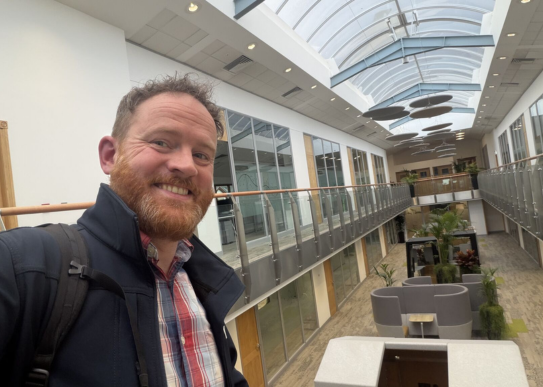
One of the questions I’m most often asked is:
“Right… but what do you actually do?”
It’s a question I get asked a lot.
The honest answer? No two days are the same.
Façade engineering sits at the intersection of architecture, performance, compliance, construction delivery and, importantly, building safety. The role extends far beyond drawings and specifications, often requiring a balance of technical detail, practical problem solving and collaboration across multiple disciplines.
Following BB7’s recent Façade Engineering Spotlight Week, I thought I’d share a snapshot of what a fairly typical week in façade consultancy can look like. Fairly typical comes with a caveat, though, because one of the things I enjoy most about the role is that no two weeks ever really follow the same pattern.
Over the course of a few days, I found myself travelling between Birmingham, Manchester and Leeds, spending time on active construction sites, supporting remediation projects, delivering CPDs, reviewing Gateway 2 submissions and, of course, working through the inevitable mountain of emails.
Looking back, what stood out most wasn’t the travel or the variety of tasks. It was how much of the role revolves around collaboration, problem-solving, and turning technical information into practical outcomes.
“Façade engineering rarely happens behind a desk alone. The best outcomes usually come from conversations on site, factory floors, or sketching ideas over coffee.”
Monday: Seeing Months of Design Work Become Reality
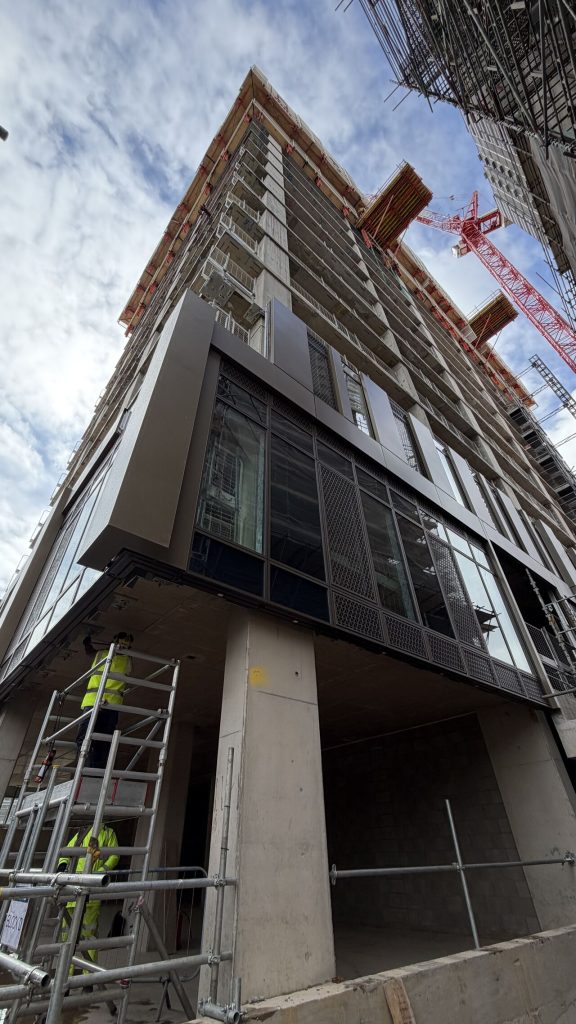
The week started early with a trip to Birmingham for a site inspection at Stone Yard Plot D, a 30-storey residential tower featuring a unitised curtain wall system. The scheme has been designed by Whittam Cox Architects, with Caddick Construction as Main Contractor and KGC Switzerland as Specialist Contractor.
This visit felt like an important milestone. It was the first inspection after almost a year spent reviewing drawings, structural calculations, thermal assessments and physical testing, so it was great to finally see the panels installed in-situ and understand how months of technical review had translated into reality on site.
Our role extends beyond reviewing whether installation simply “match the drawings”. Instead, we’re looking at:
- Façade installation quality and sequencing
- On-site QA procedures
- Repair strategies
- Observations raised during previous factory inspections
For me, that balance between detailed design review and physical construction oversight is a big part of what façade consultancy involves. The ability to move between technical assessment and practical delivery is where many of the most valuable conversations happen.
After spending months assessing performance on paper, getting on site, engaging directly with project teams and seeing progress first-hand remains one of the most rewarding parts of the role.
Tuesday: Collaboration (and Cherry Pickers)
Façade projects rarely happen in isolation.
The day started in Manchester, up in a cherry picker supporting Ian Millar from BB7’s Fire Assurance team on investigations for a remediation scheme involving a complex unitised curtain wall and integrated aluminium and terracotta rainscreen systems.
Access was facilitated by Eirefacade, creating an opportunity to discuss remediation approaches, access strategies, and practical challenges encountered during delivery.
Whether working alongside fire engineers, contractors, access specialists, architects, or manufacturers, some of the most effective solutions emerge through integrated thinking, often unlocking solutions more effectively than working within individual disciplines.
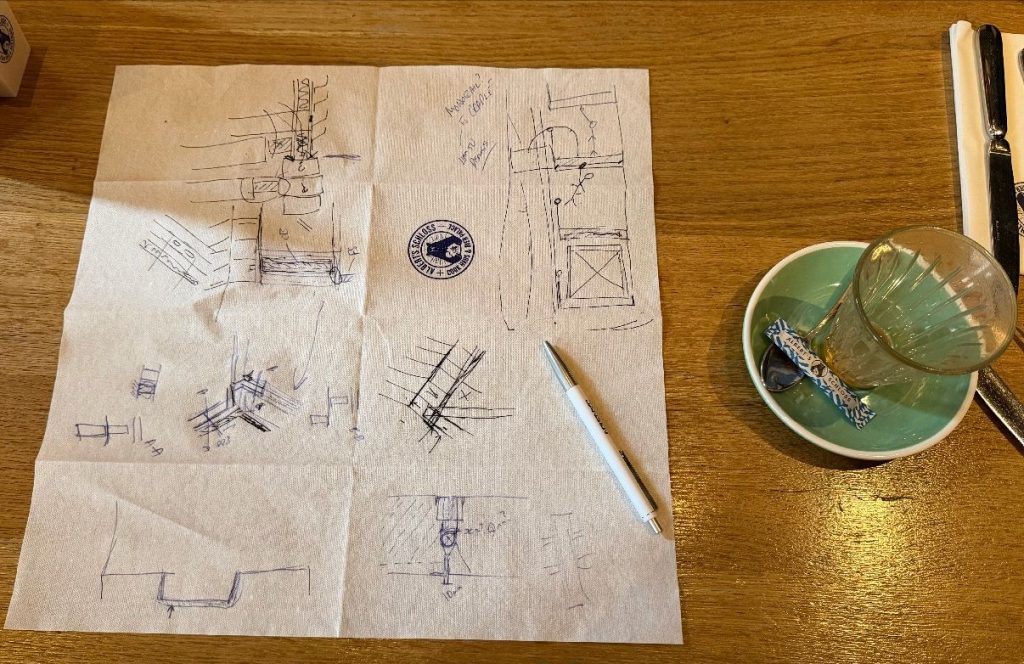
Some of the most valuable conversations happen on site – sometimes over drawings, sometimes over coffee, occasionally over a quick sketch on the back of a napkin!
Later in the day, it was back to the office to bounce around technical challenges with colleagues before catching up with Jamie Lynch, visiting from BB7’s Dublin office. After enough Teams calls, face-to-face conversations remain underrated.
Wednesday: Knowledge Sharing Works Both Ways
A common misconception is that CPDs are simply about presenting information.
The reality is that they often become two-way learning exercises.
Midweek involved delivering a CPD session to the technical team at ACS Stainless Steel Fixings Ltd in Leeds, covering handset and brick slip system design.
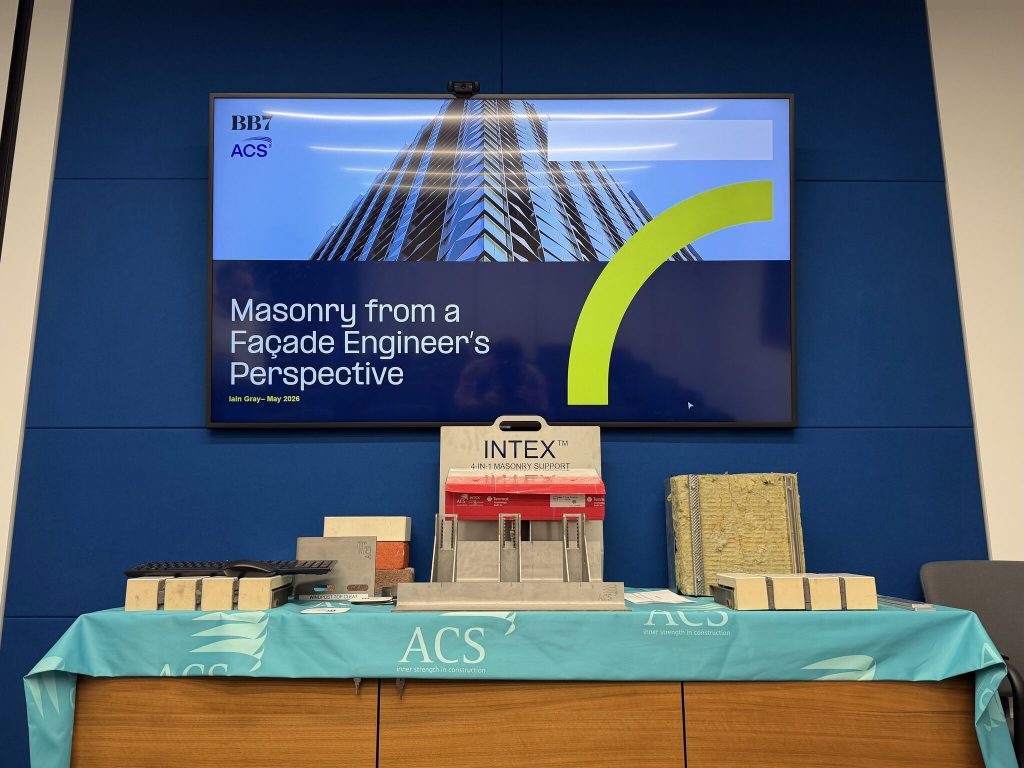
The discussions that followed around manufacturing capability, technical limitations and installation considerations were just as valuable as the presentation itself, creating opportunities to learn from specialists elsewhere in the supply chain.
A subsequent factory tour provided insight into manufacturing processes, QA procedures and emerging product innovations – particularly around the Intex integrated cavity barrier/tray/MSA system, which prompted some interesting conversations.
Understanding how products are manufactured is critical. Better knowledge upstream often leads to stronger technical decisions in the design process.
“Continuous learning is a significant part of façade consultancy. Materials evolve, regulations change, products improve – and understanding those changes matters.”
The day finished back in the Leeds office, supporting colleagues on movement solutions within a curtain wall head detail alongside Jason Danks, assisting fire engineers with membrane identification for a recent FRAEW, and occasionally being distracted by the office rabbits outside the window.
Some distractions are unavoidable.
Thursday: The Part People Don’t See
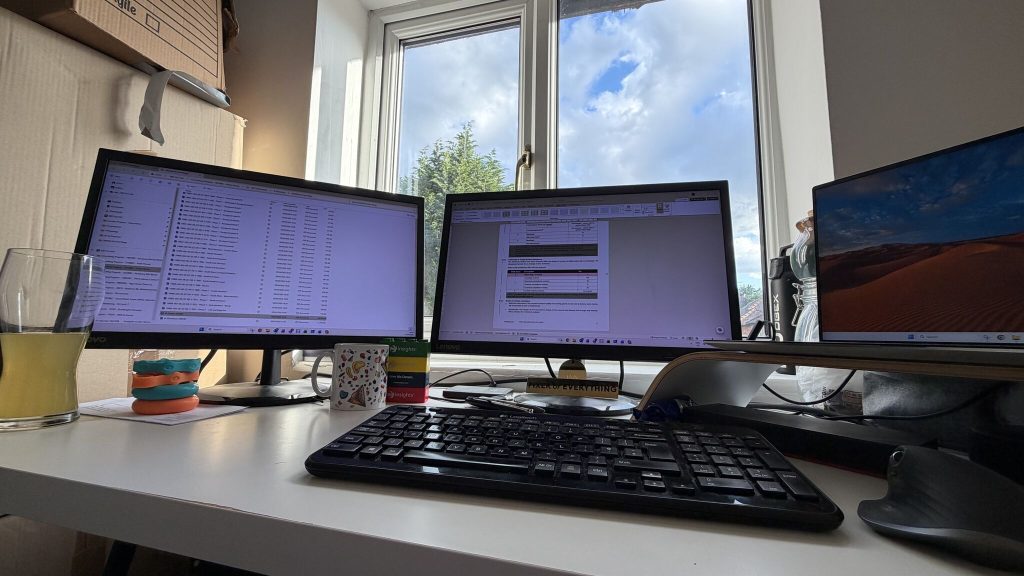
Whilst site visits and travel are often the visible side of façade engineering, a significant proportion of consultancy happens quietly in the background.
Thursday was therefore spent working from home, a benefit of BB7’s hybrid working policy, catching up after a busy start to the week.
That included:
- Writing site inspection reports from earlier in the week
- Finalising a Gateway 2 Regulations compliance submission under the guidance of James Groves, Director of ARMs
- Developing fee proposals for a prospective new scheme
- Supporting colleagues with technical issues
- Checking progress against project deliverables
The less visible work is often where much of the value sits.
Ultimately, consultancy is about helping clients manage risk, maintain compliance, and move projects forward with confidence.
Friday: Keeping the Team in Tune
The week finished with our monthly Façades Team Jam session – something we run every couple of months to keep the façade team informed on what’s happening both internally and externally.
Sessions typically cover everything from introductions to colleagues and leadership updates, through to business performance, interesting new projects, emerging products in the market, conference insights and client feedback. This particular session included a guest appearance from one of our Managing Directors, Shane Ryan.
As the team continues to grow, these sessions have become increasingly valuable for maintaining transparency and sharing knowledge across disciplines. They’re also something I genuinely enjoy pulling together!
“Technical capability matters, but so does creating an environment where people share ideas, challenge thinking and stay connected as teams evolve.”
The afternoon shifted focus again – this time to an ESG team catch up, reviewing initiatives currently being progressed across the business. Being involved alongside colleagues who are genuinely passionate about improving outcomes beyond project delivery is rewarding in a different way, with particular credit due to Rebecca Bower and Dominic Way for driving much of that work forward.
The final part of the week was perhaps the most familiar: back to the laptop, finalising reports, issuing deliverables, checking drawings and calculations, and making sure everything was out of the door before heading into the weekend.
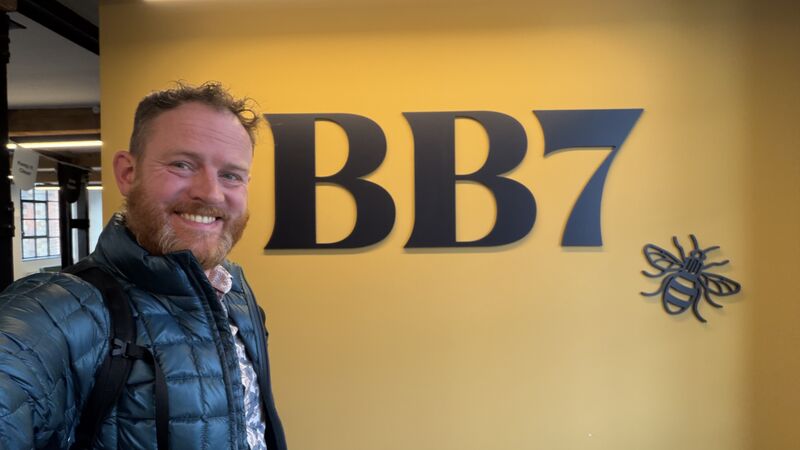
And, in true Friday fashion, taking a moment on the way out to appreciate the BB7 Manchester office’s bee.
Final Thoughts
Looking back across the week, the recurring theme wasn’t façade systems, calculations or compliance submissions. It was people.
Whether it’s discussing remediation strategies on site, learning something new from manufacturers, supporting colleagues with technical challenges or sketching ideas over coffee, a lot of façade consultancy comes down to collaboration.
Maybe that’s the real answer to the question, “What does a façade consultant actually do?”
Some weeks involve cherry pickers and curtain wall inspections. Others revolve around Gateway 2 submissions, CPDs, reports and chasing deliverables before the weekend. Most seem to involve all of the above.
No two weeks are ever really the same – and that unpredictability is probably one of the reasons many of us enjoy the job.
(Although I could probably manage with slightly fewer emails.)
A big thank you to Iain for taking the time to pull back the curtain on what life in façade consultancy can really look like, sharing a genuine insight into the variety, technical challenges and collaboration that shape the role.
If you’d like to follow more of his work, technical insights and day-to-day experiences in the industry, connect with him on LinkedIn – Iain Gray