Construction data: from forgotten archives to strategic assets
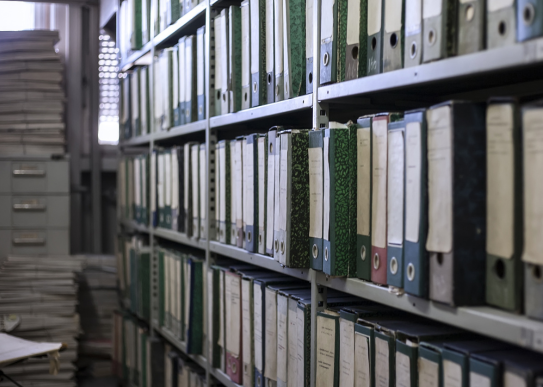
The construction industry generates vast amounts of data, including contracts, specifications, drawings, BIM records, technical submittals, approvals, and more. Yet when a project ends, this data often becomes fragmented across multiple archives, with each design team member storing information according to their own responsibilities.
With the retrospective application of the Building Safety Act (BSA) to the Defective Premises Act (DPA), the stakes have changed. The claim period has been extended to:
• 30 years for buildings completed before 28 June 2022
• 15 years for buildings completed after that date
This shift makes long-term data management not just a best practice, but a legal necessity. It also reinforces the importance of the “golden thread” of information: a digital, structured, and secure record of building data that supports safety throughout the building’s lifecycle.
The construction data lifecycle
While the industry has improved coordination and storage during active projects, thanks to document-hosting platforms, it remains woefully unprepared to manage long-term archives. Despite years of discussion around BIM and digital twins, many buildings under 10 years old lack accessible Operation & Maintenance (O&M) information.
As refurbishment becomes more common, maintaining high-quality data is critical to reducing design programmes, controlling costs, and ensuring compliance. Extensive intrusive surveys and retrospective engineering can delay even basic refurbishment. A lack of information may hinder the design team’s ability to demonstrate compliance with the Building Regulations, potentially affecting BSA gateway approvals.
Applying the CIA Triad to construction data
To protect and preserve project data, we must apply the CIA Triad, a fundamental model of cybersecurity, that ensures:
1. Confidentiality
Where is your project data stored? Is it secure, and will it remain secure from unauthorised access after key team members leave? Unsecured O&M data (e.g., BMS system details) can expose buildings to operational risks. Shockingly, it’s still common to find sensitive data stored on USB sticks, CDs, or in unlocked cupboards. The level of security should align with the building’s classification, especially for high-risk assets such as government facilities.
2. Integrity
Is the data complete and trustworthy? Without issue sheets or a table of contents, it’s impossible to verify whether archives contain final “as-built” documents. O&M folders often include multiple revisions of the same file. Integrity preserves the design history and is essential for assessing building performance.
3. Availability
Surprisingly, the most reliable data often comes from on-site physical storage areas. In many cases, there’s no record of the original design team, making it impossible to retrieve missing information. Cold storage retrieval costs can run into the thousands, therefore it is important to classify data in relation to its criticality and its needs for frequent access. Final thoughts on this topic relate to whether the data format used for storage will still be legible when needed in 15–30 years’ time, and how this will be monitored as time passes.
Frequently used critical data should be stored within the building, in a format that’s secure yet accessible, and those costs should be built into new-build budgets. The golden thread guidance reinforces this: information must be digital, kept up to date, and accessible to those who need it to operate and maintain the building safely.
Avoiding the data swamp
Once basic archiving issues are addressed, another challenge emerges: indiscriminate data collection. On one current project, a modest five-storey building, the O&M archive contains over 6,000 documents. That volume turns useful records into a data swamp, where hours are wasted sifting through outdated or poor-quality files.
Data management policies must be implemented not only at the company level but also at the project level. The golden thread should be structured, searchable, and relevant, supporting safety, not drowning it in noise.
Sustainability in data storage
One often-overlooked issue is the carbon footprint of storing vast amounts of redundant data. As project teams, we have a duty to store data accurately and retain only what’s relevant to reduce electricity demand and environmental impact.
At BB7, a certified B Corp, we address this by deploying modern, energy‑efficient storage technologies and providing ongoing staff training to ensure our teams manage data responsibly and sustainably.
What data should be preserved?
For High-Risk Buildings (HRBs), to support ongoing maintenance and future refurbishment, here’s what should be retained to meet the requirements of the Building Safety Act:
- All of the information used to apply for your building control approval ( refer to Keeping information about a higher-risk building: the golden thread – GOV.UK)
- All of the information provided for the completion certificate application.
- The building completion certificate.
- Access and control of the building information.
- The relevant fire safety information to the Responsible Person.
To expand on the items above, and based on my experience of designing for existing buildings, I would advise considering also the list below:
- Project directory.
- Contracts
- Records of regulations and standards used in design (especially for co-living and student accommodation).
- Health & Safety file, including fire strategy, risk assessments, and fire protection changes.
- Structural design strategy and key drawings.
- Energy strategy reports such as SAP or BRUKL outputs.
- Material schedules with datasheets and combustibility info.
- As-built general arrangement drawings.
- Key façade details showing system principles.
- Installation records and photographs.
- Building Control records.
- Access and maintenance strategy (especially for elements with <50-year design life).
- Records of any changes made to the building.
These align closely with the golden thread requirements, which mandate that information be accurate, up-to-date, and accessible to those who need it, especially during refurbishment or emergency response.
Looking ahead: AI-ready data lakes
If data is high-quality and well-organised, it can form part of an AI-powered data lake, a resource that simplifies design workflows rather than adding hours of background research. But that starts with discipline, structure, and a commitment to treating data as a long-term asset.
In conclusion, organisations must move beyond passive data retention and take active responsibility for the quality, structure, and longevity of their information. A well-maintained golden thread is not simply a safeguard against future claims; it underpins safer buildings, accelerates and de-risks refurbishment, and supports more informed, sustainable decision-making throughout the built environment lifecycle.