7 Questions with Liam Paine
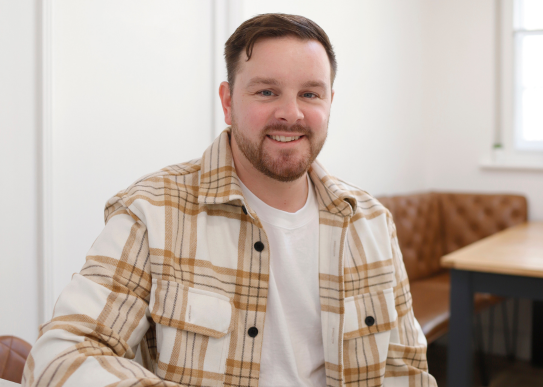
For this edition of 7 Questions with BB7, I sat down with Liam Paine, one of our fire surveyors, to talk about his journey into fire safety. We discussed his move from working on site as a contractor into fire surveying, what his role involves day to day, the challenges he faces on site, and his advice for anyone interested in a career in fire safety.
1. What inspired you to become a fire surveyor, and how did you find your way to BB7?
I’d worked as a drylining contractor for 12 years, so I knew all about compartmentation and how partition walls should be constructed in line with manufacturers’ guidelines. That experience allowed me to share my knowledge with people on the design side and help them understand the difficulties contractors face on site. A friend of mine, who was a contracts manager at Fairview Homes and had previously worked with BB7, put me in touch with James Groves and I’ve been here ever since!
2. Can you walk us through what a typical day on site looks like for you?
A typical day on site starts with heading to the site office to meet the site management team, signing in, and getting my PPE on before heading out onto site. From there, I’ll inspect any relevant new installations, from partition walls forming compartments and fire doors to cavity barriers. I take photos of both good and bad installations and make notes to write up in more detail later. Most of the time, I’m escorted around site by a member of the site management team, which allows me to point out any defects as we go so they’re aware of any issues. I’ll then head back to the site office to discuss any defects I have found, sign out, and head home to start writing the report.
3. What are some of the key things you look for when conducting a fire safety survey?
The key things to look for in any survey related to fire is if it has been installed to the manufacturer’s recommendations. Whether it be fire doors, compartment walls or cavity barriers, if they have been installed with poor workmanship, we will be asking the contractor to install as per the manufacturer’s installation guidelines.
4. How do you ensure your surveys provide practical recommendations that improve building safety?
We will always give recommendations on any defects we find, quoting guidance and information from data sheets, etc. to help improve building safety.
5. What challenges do you often face on site, and how do you overcome them?
We quite often face resistance from subcontractors who believe they have installed a product correctly when we have raised an issue. The best way to deal with this is to try and explain to them what we expect to find on site, and that we understand the challenges they face. However, if the work isn’t done correctly in the first place then they will have to re-do the work, causing delays in the program and additional costs.
6. Have you seen any changes in fire safety regulations or practices that impact your role?
There have been a few changes to Approved Document B and more changes coming in the next couple of years which impacts my role, as I need to know the guidance to which the buildings have been designed to. I have to make sure my knowledge is up to date in order to stay relevant with the current guidance.
7. What advice would you give to someone interested in becoming a fire surveyor or working in fire safety?
I would say to read as much information as you can! Read through the guidance documents, ASFP books and anything else fire related. Also, we have some incredibly knowledgeable people within BB7 so there is always someone you can ask for advice, we have experts in all different disciplines that have had a huge impact on my learning.
Thanks to Liam for taking the time to share his experience and insights, and for offering a real look at what it’s like to work as a fire surveyor at BB7.
7 Questions with BB7 is our interview series that introduces you to the people behind the business. Through each interview, our team share their career paths, everyday experiences, and a few lessons learned along the way. You can explore more interviews from the series on our Spotlight page.